Lock Up The Mower for No Mow May
Easy ways to help wildlife in your garden
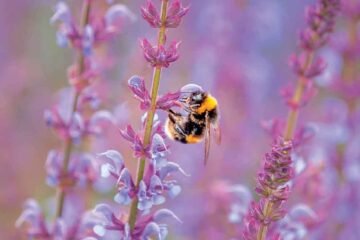
Take a back seat and let the dandelions, daisies, hawkweeds, and other lawn habitués run riot in the lawn for a whole month, helping pollinators with essential food for themselves and their larvae
It may feel like your garden is an insignificant part of the natural world, but gardens create lots of mini habitats and often connect wildlife to green spaces by providing green corridors. With 23 million gardens in the UK, they provide valuable habitats for wildlife. Even a small part of the garden that offers something for wildlife is useful, and that includes our lawns.
Lawns are often made up of lots of plants that don’t mind being trimmed; they have adapted to survive close grazing, which mowing simulates. While some do flower in a regularly mowed lawn, allowing them to grow longer helps them flower fully, produce seed, and survive for another generation.
Butterflies especially need to lay their eggs on the food plants that their caterpillars eat, so reduced mowing from May and throughout summer is really helpful to them.
Get the Children Involved
It’s a great learning opportunity for children and there are plenty of games to play in longer lawns. You can mow pathways, create an obstacle course, play hide and seek, hold mini beast safaris, use wildlife ID guides, or create a small mini meadow and sow some wildflowers ideal for lawns.
Get Involved with Plantlife’s No Mow May, make a pledge and receive a free No Mow May guide. The guide includes information on helping wildlife through no mow may and some handy, easy to do, tips to help wildlife in your garden as well. There are some great resources on the Plantlife webpage, linked above, including colouring sheets, posters and activity ideas to try.