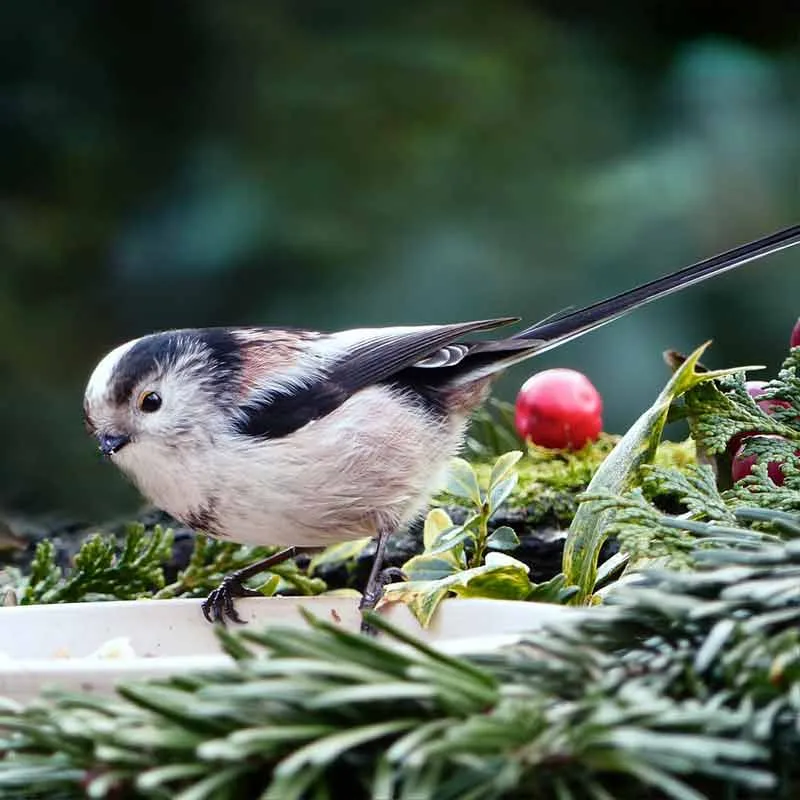
Caring for Garden Wildlife Over Christmas
As gardens sparkle with festive lights and homes fill with warmth and celebration, winter can be a challenging time for Britain’s garden wildlife. Cold temperatures, frozen ground, and a scarcity of natural food sources make survival more difficult for birds, mammals, and insects alike. Fortunately, small, thoughtful actions over the Christmas period can make a real difference.
Feed Birds Little and Often
Winter is a critical time for garden birds, who need extra energy to keep warm. Offering food regularly helps them conserve vital energy.
- Best foods: sunflower hearts, crushed peanuts (in mesh feeders), suet balls, mealworms, and seed mixes
- Avoid: bread (low nutritional value), salty foods, and milk
- Tip: Clear away old or mouldy food to prevent disease, disinfect feeders and clean bird feeders weekly
Placing feeders at different heights can reduce competition and allow more species to feed safely.
Provide Fresh Water
Fresh, clean water is vital at all times of the year, particularly during freezing weather, when it is less available
- Check bird baths daily and break the ice gently if it forms
- Place a small ball or twig in the water to slow freezing
- Never add antifreeze or salt; these are harmful to wildlife
- Ice-free Bird Bath is wildlife safe and prevents water freezing
Fresh water supports birds for drinking and feather maintenance, which is vital for insulation.
Leave Some Garden Areas Untidy
While we often want our gardens to look neat for guests, wildlife benefits from a little mess.
- Leave fallen leaves, seed heads, and logs where possible
- Avoid cutting back plants until spring
- Allow ivy, hedges, and shrubs to provide shelter
These areas offer food, nesting material, and protection from predators and cold winds.
Support Mammals Like Hedgehogs
Hedgehogs may still be active during mild winters and need support.
- Leave a small gap in fences so they can roam safely
- Provide a hedgehog house or log pile for shelter
- Offer shallow dishes of water and specialist hedgehog food if needed, or plain meat-flavour cat biscuits, not fish flavours
- Don’t feed mealworms to hedgehogs; they can become addicted to them, and they can be harmful to hedgehogs
- Never give milk, which can make them ill
If you see a hedgehog out during the day or appearing weak, seek advice from a local wildlife rescue.
Be Careful with Christmas Decorations
Festive decorations can pose hidden risks.
- Avoid tinsel, netting, and loose string outdoors
- Use wildlife-friendly lights and turn them off overnight
- Secure decorations so they don’t blow into hedges or ponds
Animals can become entangled or disoriented, especially at night.
Think Before You Light Fires
Bonfires and fire pits can be tempting winter shelters.
- Always check log piles before lighting
- Move materials carefully rather than prodding
- Consider lighting fires during the day when animals are more active
This simple check can save lives.
Choose Wildlife-Friendly Gifts
Christmas is a great time to think ahead.
- Bird feeders, nest boxes, and insect hotels make thoughtful gifts
- Native plants or seed packets support biodiversity year-round
- Donations to wildlife charities help protect habitats beyond the garden
A Season of Kindness
Caring for wildlife doesn’t require grand gestures or a great deal of expense, just awareness and compassion. By providing food, water, shelter, and safety, we can help ensure our garden visitors survive the winter and thrive into spring. A little care goes a long way for Britain’s wildlife.